
02 — Integrated service
Critical materials. Controlled off-site. Delivered when needed.
Industrial projects depend on material availability as much as workforce capability. Tetrad connects off-site storage, inventory oversight, site coordination, and delivery planning into one managed service.
A — Off-site inventory management
The job site is the most expensive place to store material.
Project owners, EPC firms, industrial contractors, distributors and equipment suppliers all face the same problem: long-lead, high-value equipment that arrives before the work front is ready for it, then sits exposed on a crowded site. Managed off-site inventory turns that material into a controlled, visible resource released to the work when the schedule calls for it.
Clear laydown, clear work fronts
Material that is not needed this week stays off the site. Crews, cranes and deliveries move without working around stored equipment.
Reduced exposure to damage
Switchgear, transformers, cable and packaged equipment are held enclosed or in a secured yard instead of in the weather, so they arrive at the site in the condition they left the factory.
Every item documented from receipt
Count, condition, identification and location are recorded when material arrives and kept current through every movement.
Know what is available
Inventory held by customer, project and material category means the program can see what is on hand, what is committed and what is still inbound.
Deliveries that follow the schedule
Releases are planned against the site’s installation look-ahead, so material arrives for the work that is actually about to happen.
Controlled release across multiple sites
One inventory pool serves several simultaneous projects; material goes to whichever work front needs it next instead of sitting in a laydown yard at each one.
B — Laredo integrated supply hub
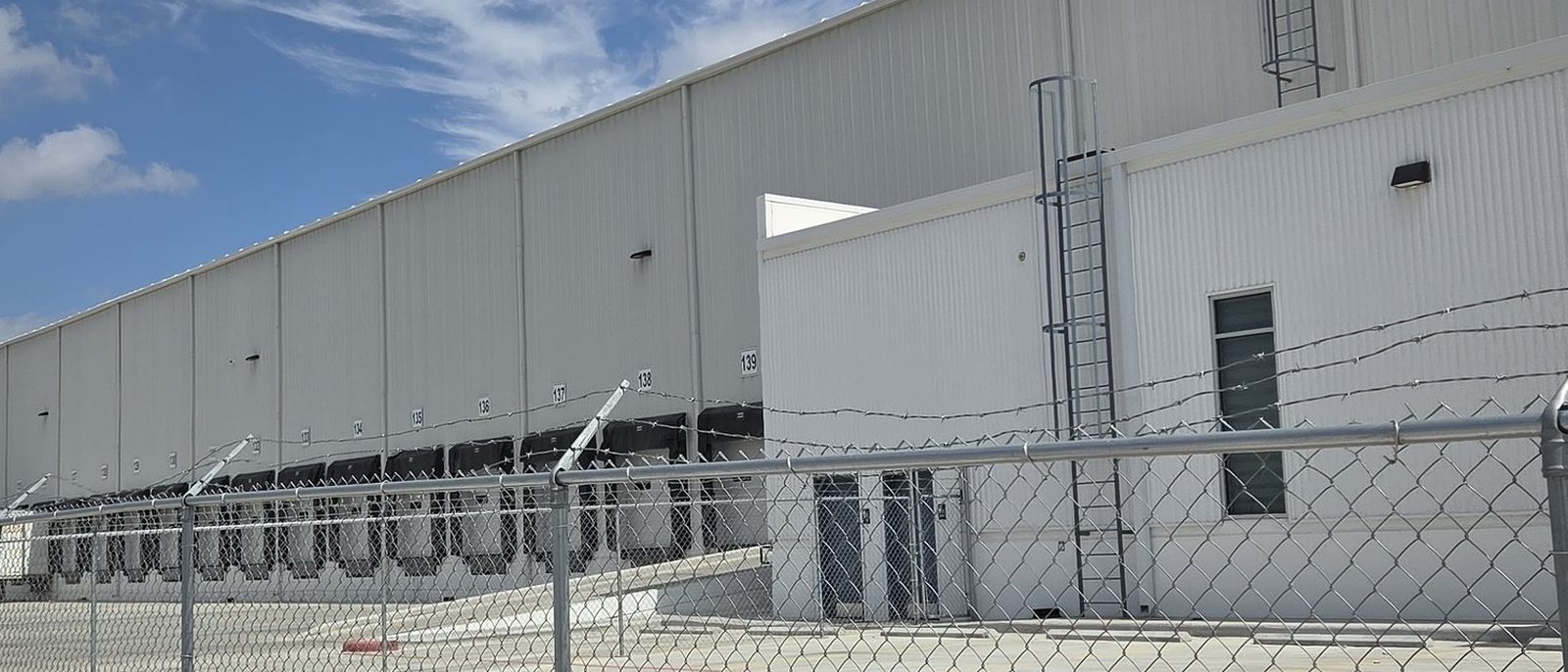
Up to 100,000 square feet of dock-high warehousing and a five-acre secured yard.
Located in Laredo, Texas, at the U.S.–Mexico border, the facility is positioned to receive material crossing from Mexico as well as domestic freight, with planned coverage of industrial projects throughout Texas.
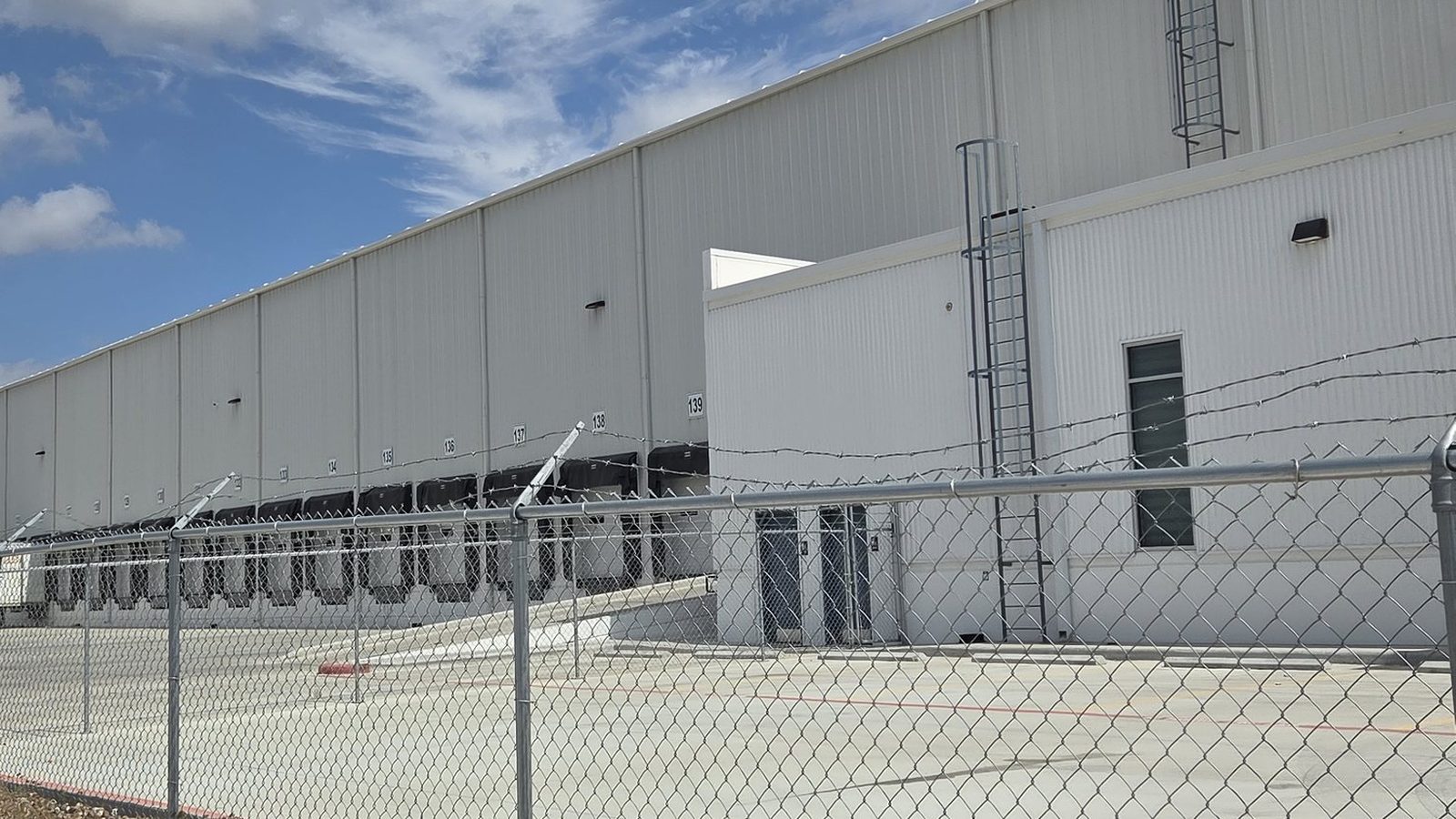
Modern tilt-wall facility, fenced and gated with controlled access. Dock-high loading doors run the length of the building face.
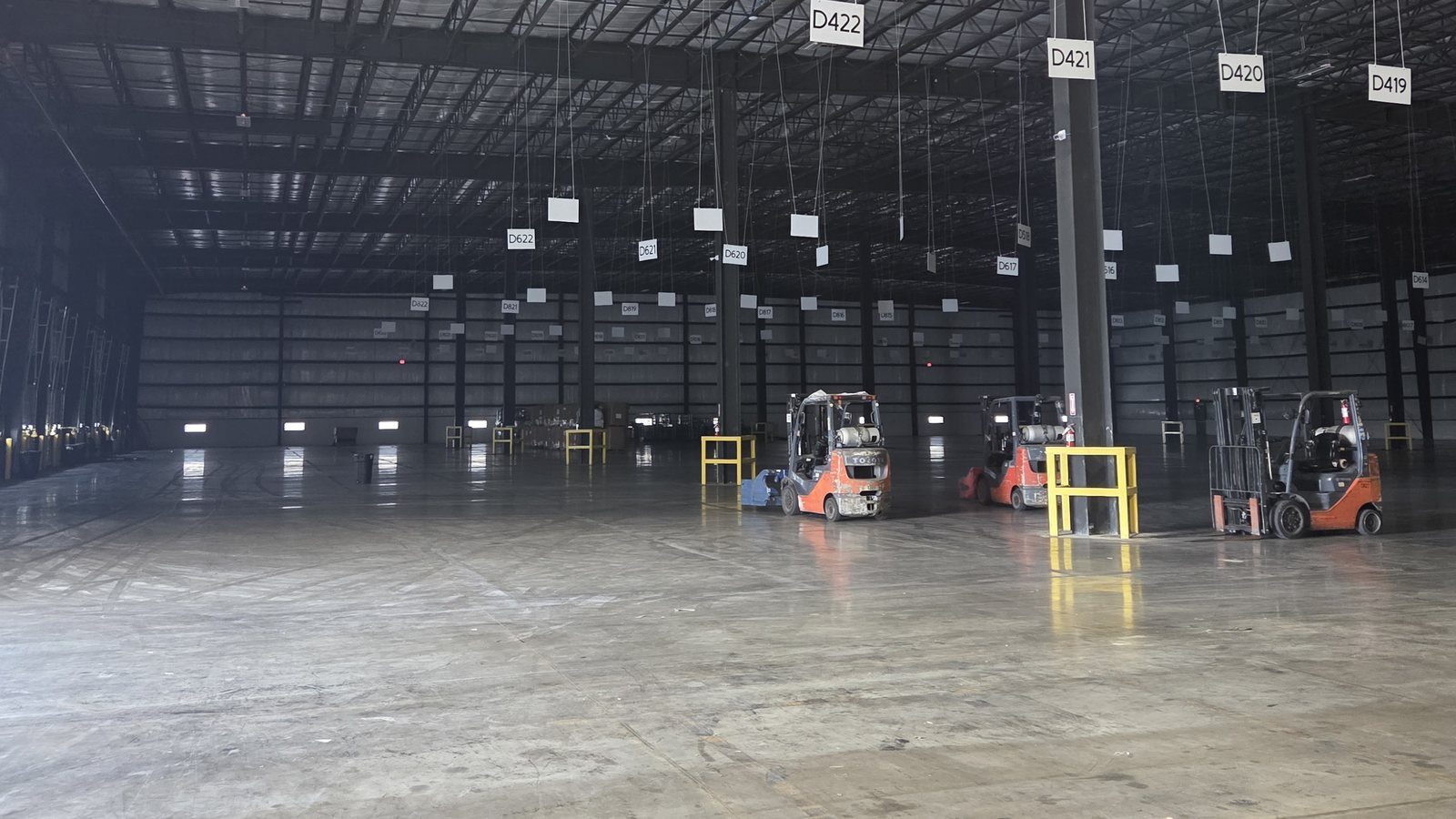
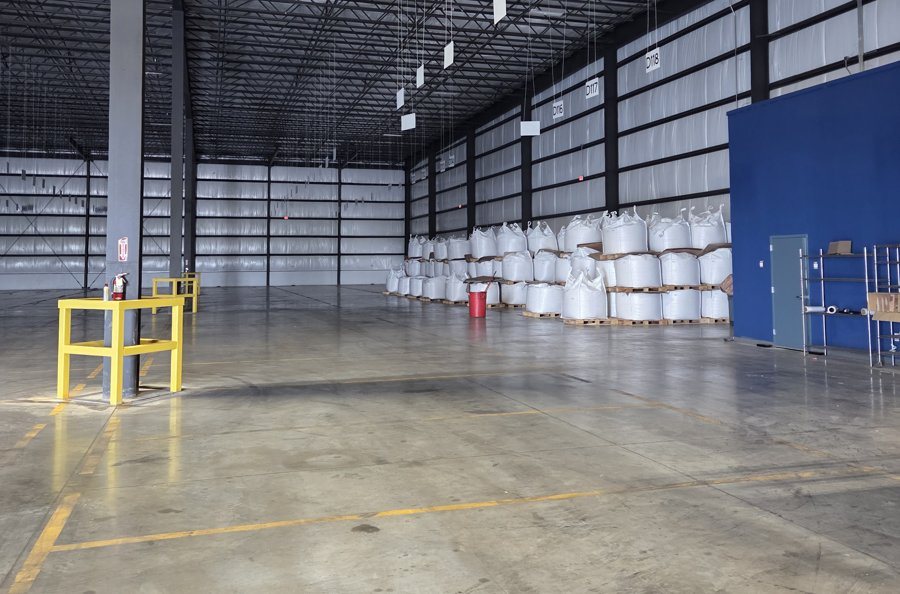
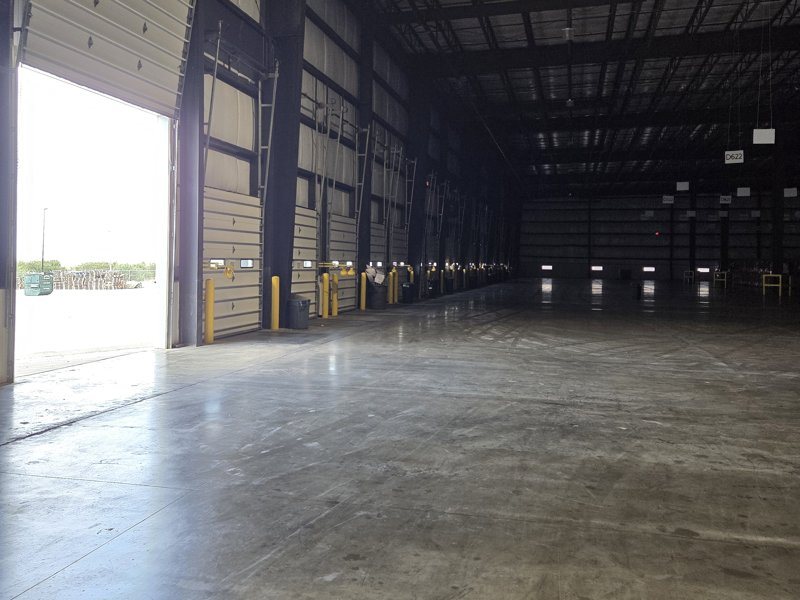
Modern tilt-wall facility, fenced and gated with controlled access. Dock-high loading doors run the length of the building face.
Facility and capabilities
- Enclosed warehousingUp to 100,000 sq ft, enclosed and dock-high, with drive-in and dock doors for fast flatbed turns. Facility available
- Secured outdoor yardFive-acre fenced and gated yard with controlled access for cable reels, transformers, conduit and skids. Facility available
- LocationLaredo, Texas — able to support material moving through the U.S.–Mexico border, with customs and origin documentation coordinated through licensed third-party providers. Location
- CoveragePlanned coverage of industrial projects throughout Texas from a single inventory pool. Scoped per program
- Dedicated personnelLogistics coordination and warehouse staff dedicated to a customer program — receiving, put-away, kitting and loading. Staffed per agreement
- TransportationScheduled deliveries to project sites, coordinated by Tetrad through qualified carriers. Coordinated service
- Equipment and systemsMaterial handling equipment, labeling and an inventory management system configured to the program’s needs. Configured per program
Facility available is in place today. Scoped per program describes the proposed operating model, staffing and service arrangements, which are defined in each customer agreement.
Materials the hub is designed for
- Transformers and electrical equipment
- Switchgear and panelboards
- Cable reels and conduit
- Industrial mechanical equipment
- Skids, assemblies, and packaged materials
- Construction and installation supplies
How the space can be allocated
An illustrative plan from the Laredo program model. Actual zones are set by the customer’s material mix.
- Indoor — sensitive gearSwitchgear, UPS, PDUs, panelboards
- Indoor — racked and bulkBusway, fittings, lighting, devices
- Kitting and staging lanesThe next one to three days of site releases
- Receiving, QC and OS&DInbound inspection and quarantine
- Secured yardCable reels, transformers, conduit, skids
C — How the operating model works
Seven stages. One owner for the material from dock to work front.
Select a stage to see what happens at each step and what the customer receives. The sequence communicates the operational ownership and accountability Tetrad takes on for the material in its custody.
Receive
Coordinate inbound freight, document arrivals, and inspect materials.
Inbound deliveries are scheduled into the hub, logged on arrival and inspected before anything is put away. Cross-border and customs documentation is coordinated through licensed third-party providers where a program requires it.
- Inbound scheduling and dock coordination
- Arrival documentation and photo record
- Visible-damage inspection at the dock
Inspect
Record quantities, conditions, identification, and discrepancies.
Every receipt is counted and checked against the packing list and purchase order. Quantities, condition, identification and any overage, shortage or damage are recorded so the customer sees exactly what arrived.
- Count and identification against PO and packing list
- Condition record and OS&D documentation
- Discrepancy notification to the customer
Store
Securely allocate material to designated warehouse or yard locations.
Material is assigned to a designated indoor or secured-yard location based on its value, handling requirements and the project it belongs to. Sensitive electrical gear stays enclosed; reels, transformers and skids go to the yard.
- Enclosed, dock-high storage for sensitive equipment
- Secured outdoor yard for reels, transformers, skids and conduit
- Location assignment by customer, project and material category
Track
Maintain inventory visibility by customer, project, and material category.
Inventory records are maintained by customer, project, site and material category, so the program always knows what is on hand, what is committed to a release and what is still inbound.
- Inventory held by project, site and category
- Movement history from receipt onward
- Material status reporting in the agreed format
Stage
Prepare material according to project requirements and installation schedules.
Material for an upcoming work front is picked, kitted by building, area or installation sequence, labeled and staged in the release lane so it can be loaded and delivered without delay.
- Kitting by area and installation sequence
- Labeling tied to the customer PO and release
- Staged releases prepared ahead of the delivery window
Deliver
Coordinate scheduled releases and transportation to active sites.
Releases are scheduled against the site’s installation look-ahead. Transportation is coordinated with the site — gate time, laydown slot and unloading — so material arrives inside the confirmed window.
- Release scheduling against the site look-ahead
- Carrier coordination and delivery window confirmation
- Delivery to the active work front, not a laydown yard
Confirm
Document deliveries and reconcile inventory records.
Each delivery is confirmed with a signed proof of delivery and photo record, and the inventory is reconciled the same day so hub, site and customer records agree.
- Signed proof of delivery and photo record
- Same-day inventory reconciliation
- Exception tracking and close-out
D — Just-in-time project delivery
The right material. At the right site. At the right time.
The proposed model pairs logistics personnel with each site team. They review the site’s short-term installation schedule, check how many days of material are on hand, and release only what keeps the work front supplied.
The Laredo program model uses a target of roughly three to seven days of material on site as an illustrative planning approach. It is a way of sizing releases around actual consumption rather than a universal service guarantee; the right band for a given program is set with the customer against its schedule, site constraints and material mix.
High-value equipment protected
Switchgear, transformers and cable stay enclosed or in the secured yard until the installation window is confirmed.
Schedule reliability
Releases follow the look-ahead, so the site is neither starved of material nor buried in it.
Site efficiency
Kits arrive by area and installation sequence, ready for the crew that will install them.
Material availability
Days of supply are checked daily, by site, so shortfalls are seen before they reach the crew.
- Morning
Site huddle
Logistics coordinator confirms installs and the short-term look-ahead with each site manager.
- Mid-morning
Days-on-hand check
Projected supply below the agreed band triggers a release to bring the site back within it.
- Afternoon
Pick, kit and load
Material pulled, kitted by install area, photographed and loaded.
- Late afternoon
Confirm the window
Gate time, laydown slot and unloading crew agreed with the site.
- Overnight
Roll and deliver
Transport departs Laredo; on site inside the confirmed window.
Proposed daily rhythm from the Laredo program model. Cadence and responsibilities are set in each customer agreement.
Texas distribution
One Laredo hub, positioned to serve the state’s major industrial markets.
Select a region to see how the supply model would reach it. The network is conceptual: it shows where Texas industrial and data center construction is concentrated and how releases would be coordinated from a single inventory pool.
Illustrative service network — conceptual routes, not a live logistics system.
Selected region
DFW Metroplex
Dallas, Fort Worth, Red Oak, Midlothian
- From Laredo
- 430 road miles (approx.)
- Service model
- Scheduled releases coordinated from one inventory pool to the active work front
Regions, locations and distances are planning references from Tetrad’s Laredo program model. Coverage of any region is scoped per customer agreement.
E — Visibility and reporting
Inventory information the program can act on.
Through an appropriately configured management program, Tetrad can deliver the following inventory information and reporting. The specific system, reporting cadence and access method are defined in the program agreement.
- Receiving logs
- Inventory movement history
- Project and site allocation
- Material status reporting
- Delivery confirmations
- Exception tracking
- Inventory reconciliation
- Operational performance reporting
F — Commercial engagement
Scoped to the program, not sold from a rate card.
Every inventory program is sized to the project. We build the commercial model with you around the dimensions that actually drive cost and service.
Programs typically run on a term that scales space, yard and personnel with the project’s volume, with full visibility of the cost elements behind them. Proposed service levels — delivery to the confirmed window, order accuracy, dock-to-stock time, record accuracy — are set as targets in the agreement rather than advertised as standing guarantees.
- Space and yardEnclosed square footage and yard area the material mix requires.
- Material volumesValue, quantity and turnover of the material held.
- Receiving and handlingInbound frequency, inspection depth and kitting activity.
- Dedicated personnelLogistics coordination and warehouse staff assigned to the program.
- Transportation and frequencyNumber of sites, delivery cadence and distance from the hub.
- Reporting and oversightThe visibility, review cadence and documentation the program needs.
Let’s build the supply model around your project.
Tell us the sites, the material and the schedule. We’ll come back with how the hub, the team and the delivery rhythm would be set up for your program.